Skip to content
origamidiagrams

Washi

Washi is traditional Japanese paper made from long plant fibers, soft to the touch but strong, prized in origami for gifts and display pieces.

Washi is typically made from the inner bark of plants such as kozo (paper mulberry), whose long fibers make it resistant to tearing. It has a warm, slightly textured surface, and printed washi with small repeating patterns is often sold as chiyogami. It is a popular choice for boxes, hearts, cranes given as gifts and other models where the paper itself is part of the beauty.

Because washi is softer than kami, very sharp creases and tiny precise points are harder to achieve, and some washi is thicker than standard origami paper. Fold a practice model in kami first, then make the final version in washi. Store it flat and away from sunlight, which can fade printed patterns.

How to fold with washi

  1. 1

    Choose a washi that is not too thick; thin, smooth washi folds most like kami.

  2. 2

    Fold a practice copy of the model in kami first, so you know every step before using the good paper.

  3. 3

    Crease with steady pressure along the whole fold rather than one quick swipe, because the soft fibers spring back.

  4. 4

    Favor models with broad shapes, such as boxes and hearts, over models with tiny sharp points.

  5. 5

    Store finished models and spare sheets flat and out of direct sunlight, which fades printed patterns.
Advertisement

Common mistakes and how to fix them

  • The creases look soft and round

    That is the nature of long fibers. Press for longer, or choose a thinner, harder washi for crisp models.

  • The pattern runs the wrong way on the finished model

    Fold a test model, note which part of the sheet ends up visible, then turn the patterned sheet to match.

  • The paper fuzzes along the folds

    Fold each line once; repeated folding raises the fibers. Plan each crease before you make it.

Good to know about washi

Washi has a long history in Japanese papermaking and is still made by hand in some workshops as well as by machine. For folders its main appeal is texture and strength: a box or a heart folded in good washi feels like a small gift in itself, and it ages well when kept out of the sun. Because it costs more than kami, use it for models you already know. Many folders keep a few sheets for special occasions, such as a crane for a wedding card, a box for a small present or a heart tucked into a letter. Our guide to origami paper sizes and types compares washi with other papers.

Practice it on these models

Washi: questions

What is the difference between washi and chiyogami?+

Washi is the paper itself, made from long plant fibers. Chiyogami is paper, often washi, printed with small repeating patterns, traditionally in many colors.

Which models look best in washi?+

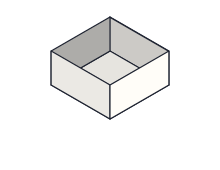
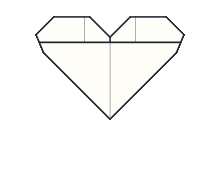
Simple, broad models where the paper is part of the beauty: the Masu Box, the Origami Heart and cranes given as gifts.

Can beginners fold with washi?+

Yes, for simple models with broad shapes; its softness even forgives small errors on boxes and hearts. Avoid it for models with many layers or tiny points until you know them well in kami.